About Jillian Rae
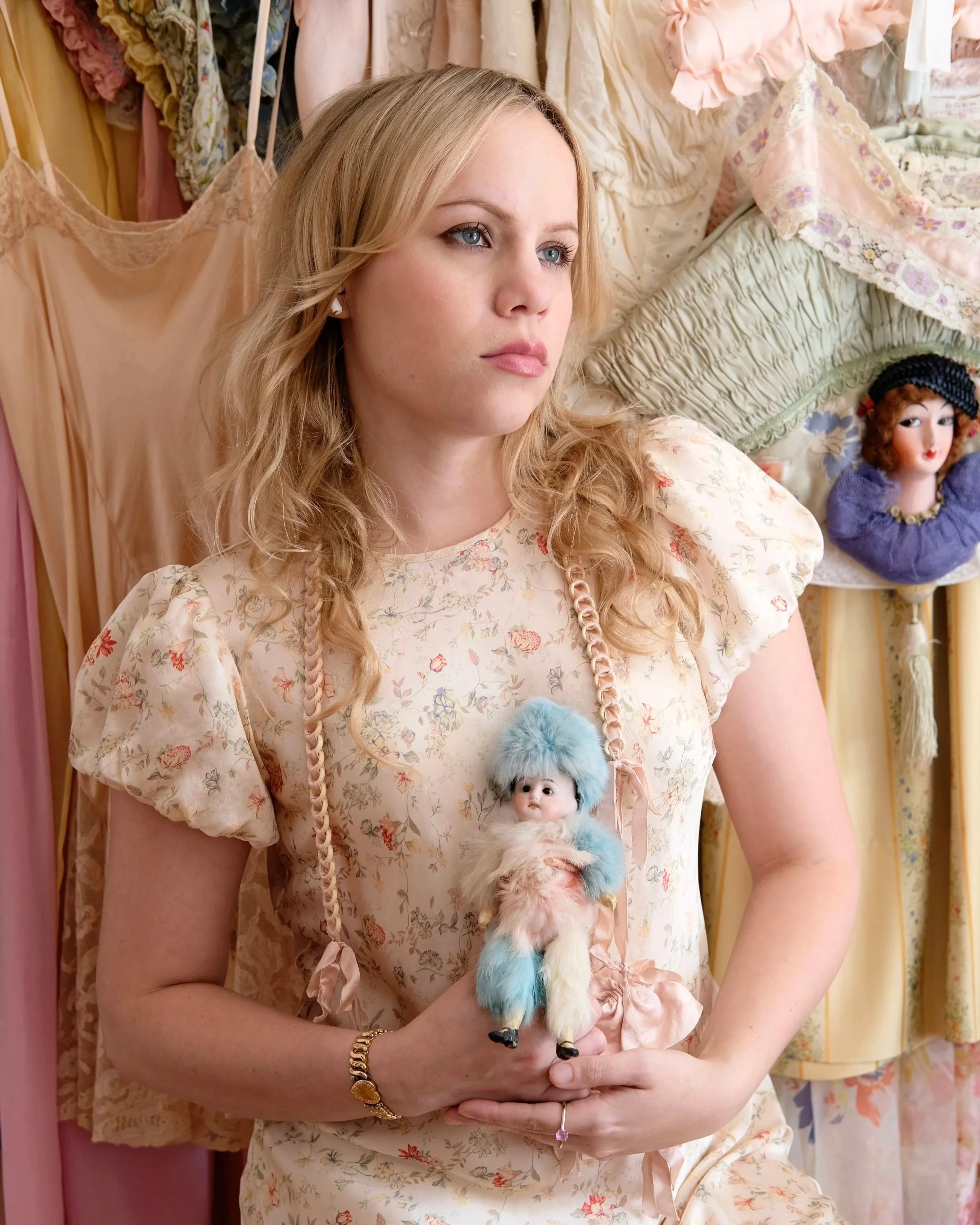
Jillian Rae and her antique bisque fur baby doll “Poof the Fur Baby.”
Jillian Rae is a textile artist and vintage clothing curator located in Central California who is deeply passionate about women's historical material culture and its representation of the lives of everyday women from the past. She grew to love women's historical material culture as her lifelong love for “things” and antiques collided during her undergrad studies, where she earned her Bachelor’s Degree in History in 2024 with a research focus in global Women’s History.
She works primarily with silk and other natural fibers, drawing inspiration from the legacy of natural materials used by humans for thousands of years in the decorative arts. She also admires the visual and tactile qualities, breathability, and sustainability of natural fibers found in textiles such as cotton, linen, wool, and silk.
She wishes to capture the handmade characteristics seen in antique items in her textile art and, more specifically, novelty antique items of the 1920s-1930s. Jillian admires the “visual human touch” seen in handmade antiques, from hand painted faces to perfectly imperfect hand sewn stitches, and wishes to continue the legacy of decorative handmade items.
While she was always drawn to history, “things,” and silk (beginning with her silk charmeuse baby blanket “Silkie”) from a young age, her love for the 1920s-1940s was always rooted in her identity as she proudly claims to be a “Fifth Generation Dust Bowl Okie.” Her maternal and paternal sides were all Dust Bowl Okies, commonly known to the world through novels such as John Steinbeck's The Grapes of Wrath. As homeless farmers, sometimes living in dirt caves in Oklahoma, her female ancestors cared for their families by farming, cooking, and sewing.
Her female ancestors sewed the essentials every Okie family needed, including quilts, clothing, cotton picking sacks, and sun bonnets made from feed sacks and cardboard, suited for picking cotton in Buttonwillow, CA. While there were always necessities to make in an era that was a struggle for many families, they also took the time to sew decorative items such as toaster covers, aprons, and many toys for the children.
The skill of hand sewing was integral to Jillian’s female ancestors and was passed down to her by her maternal grandmother when she was 6 years old.
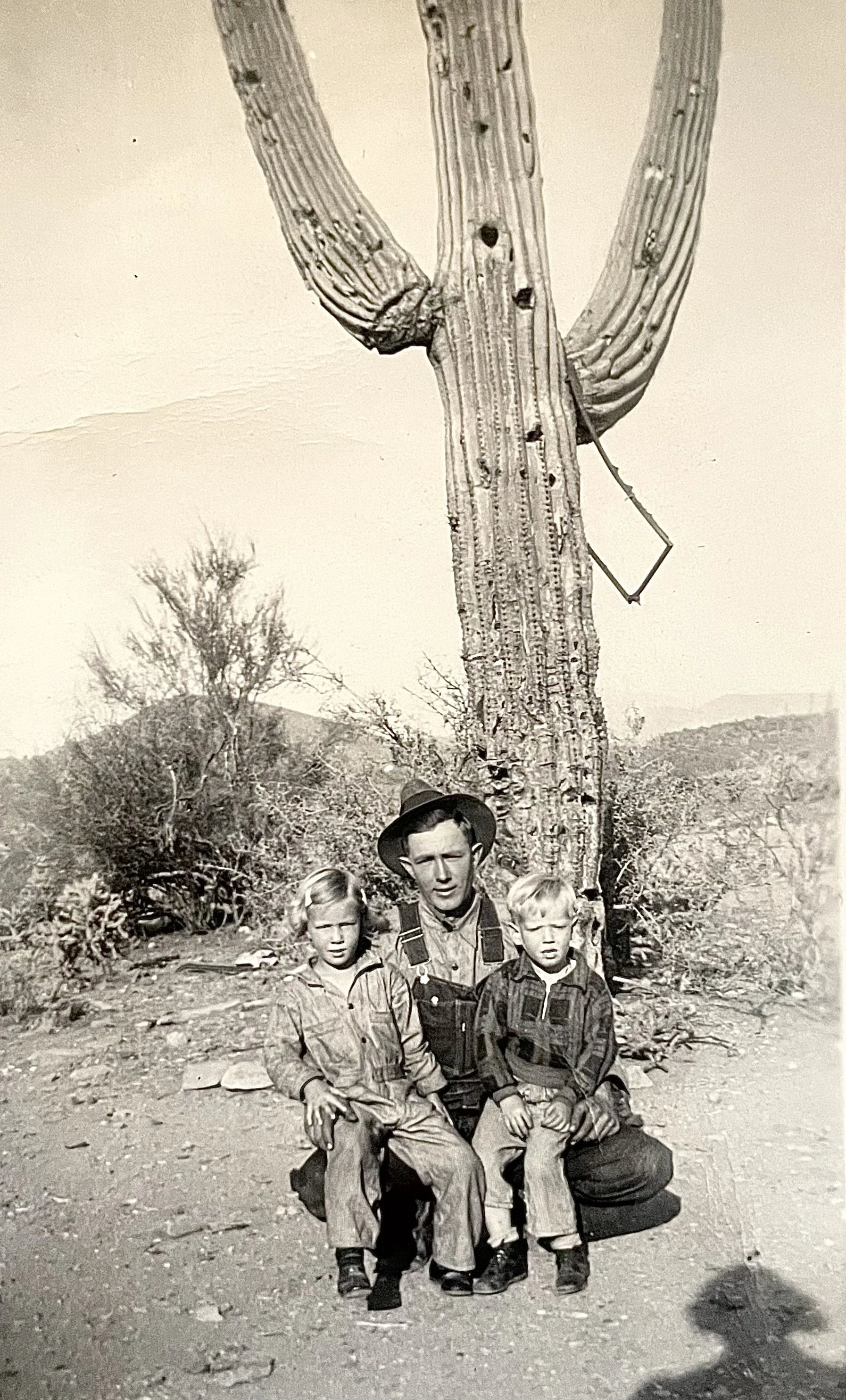
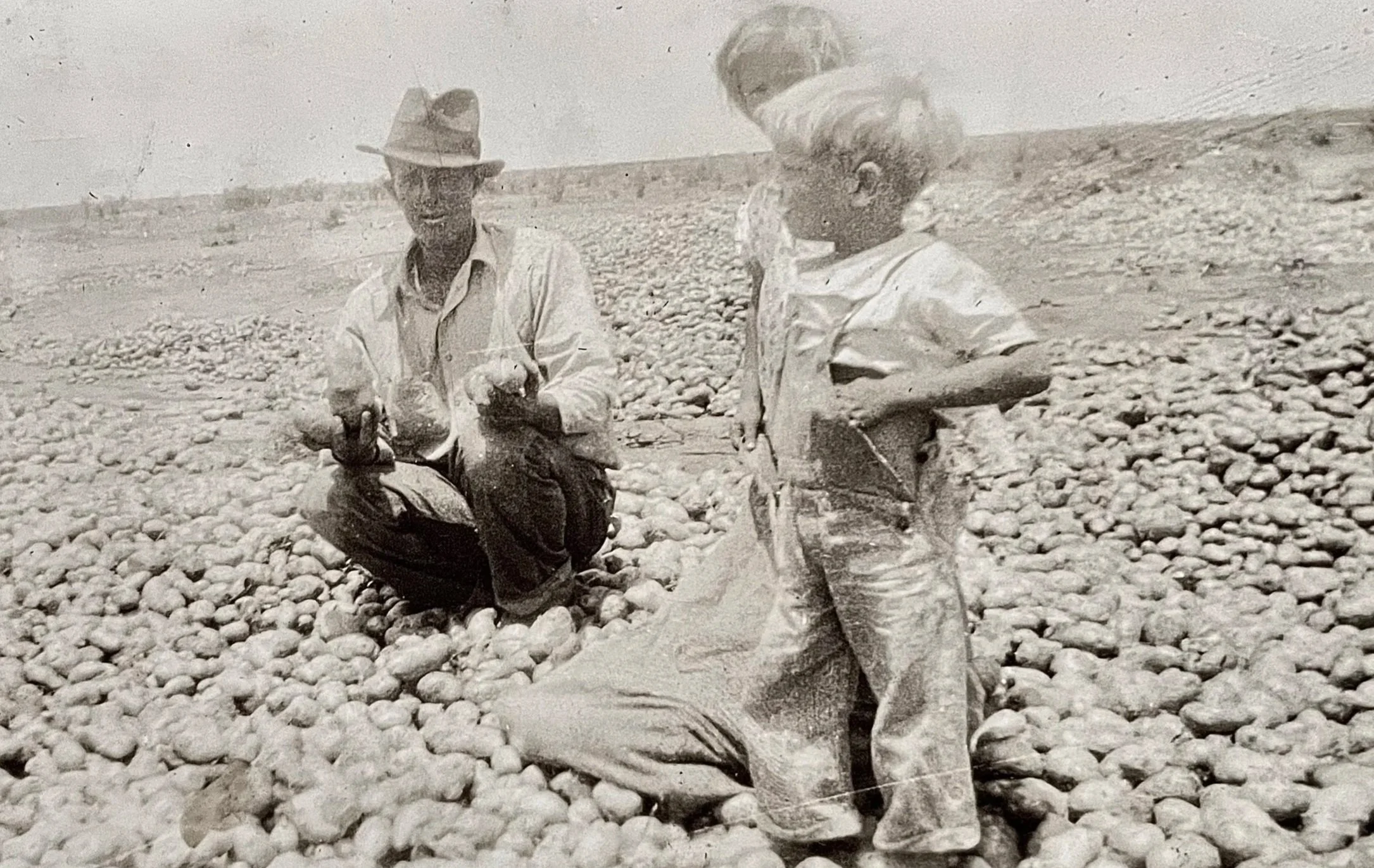
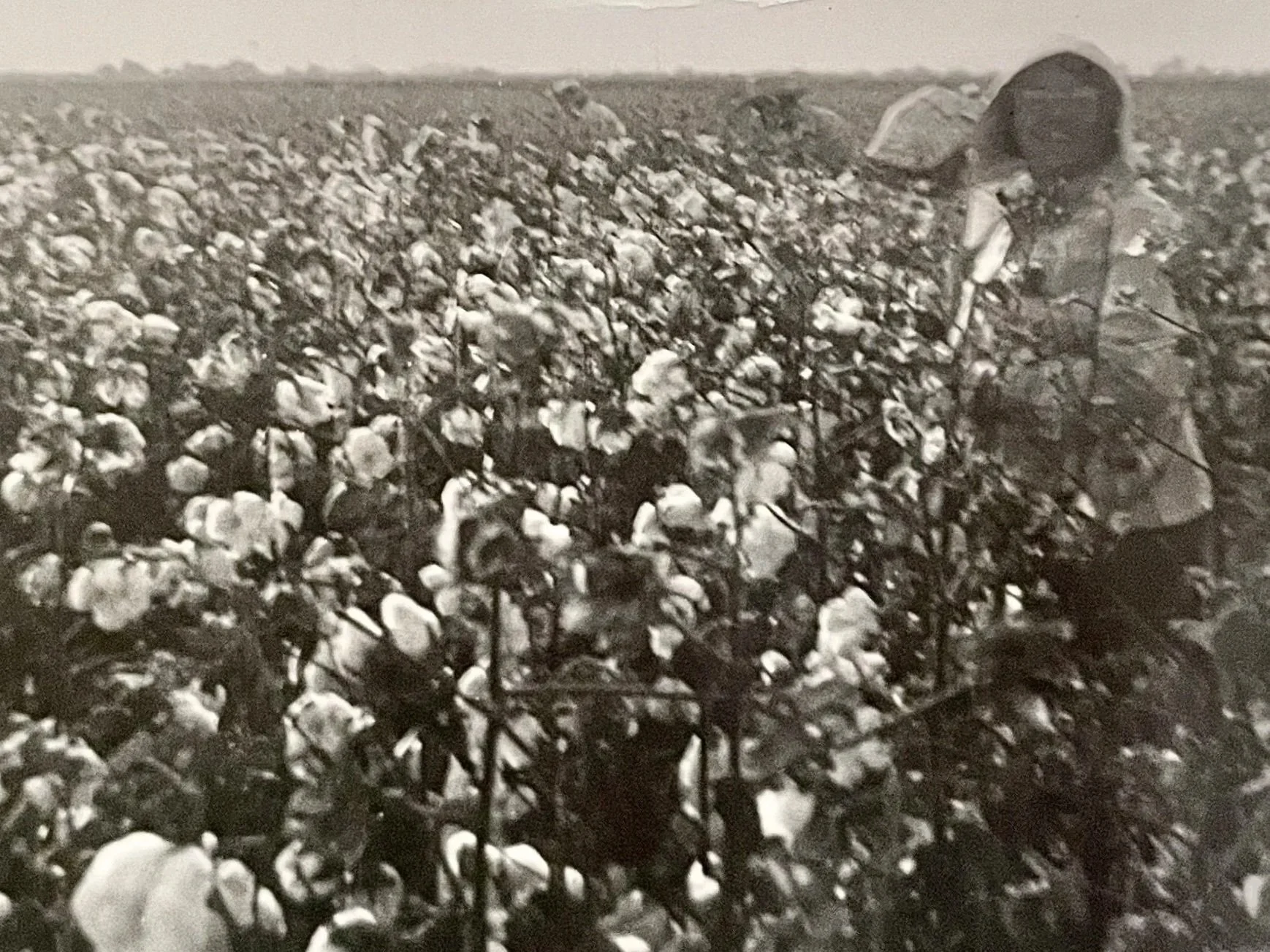
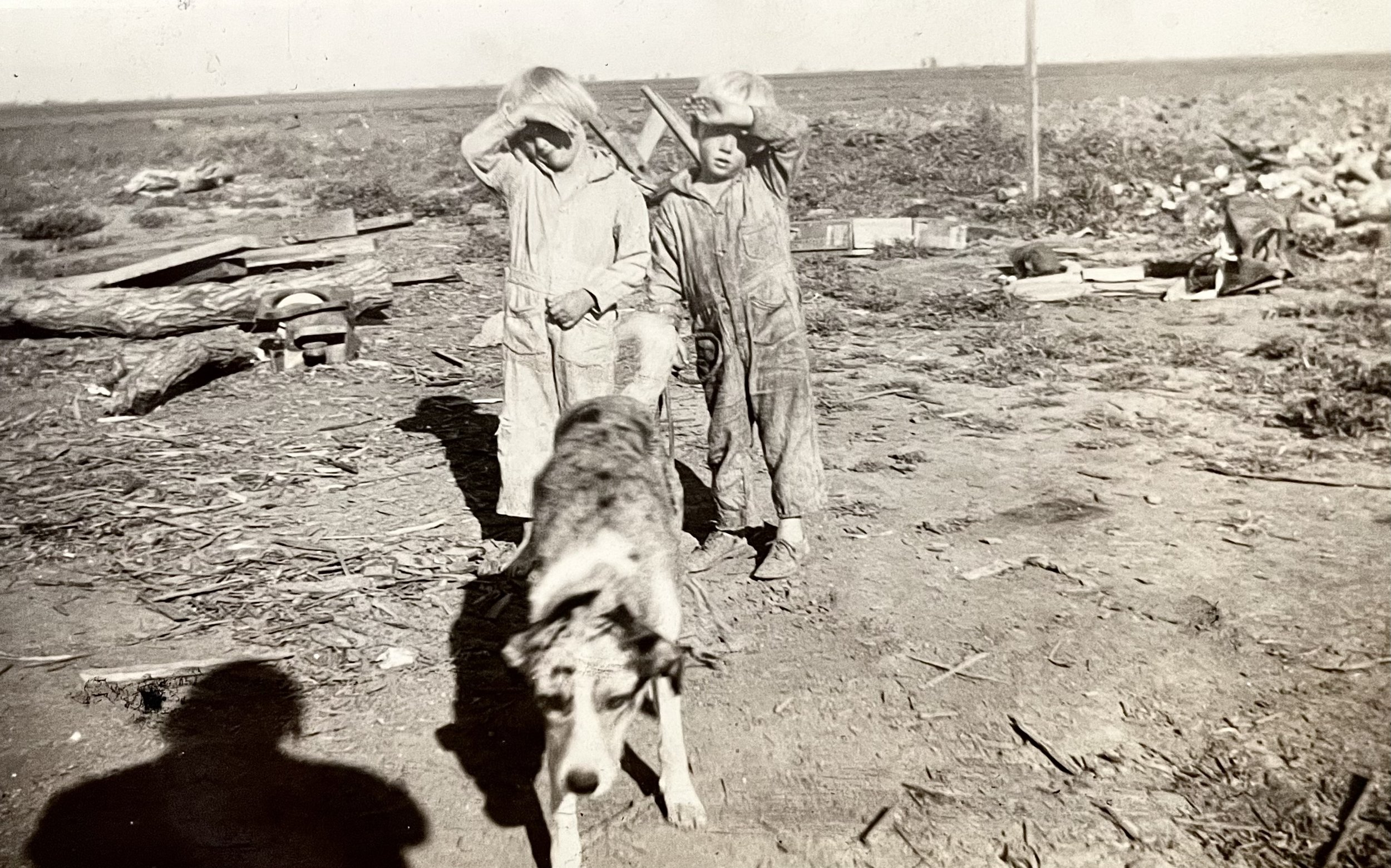
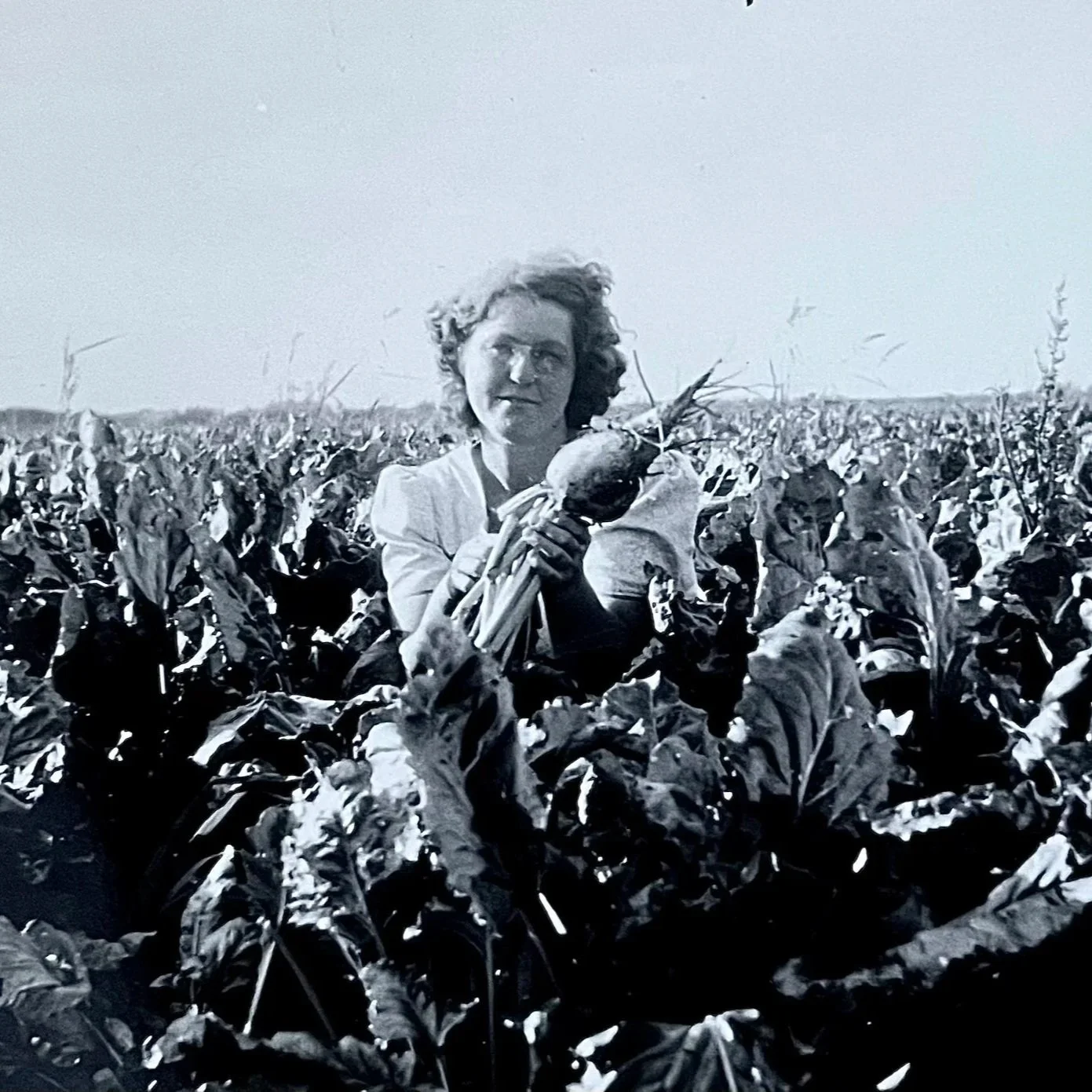
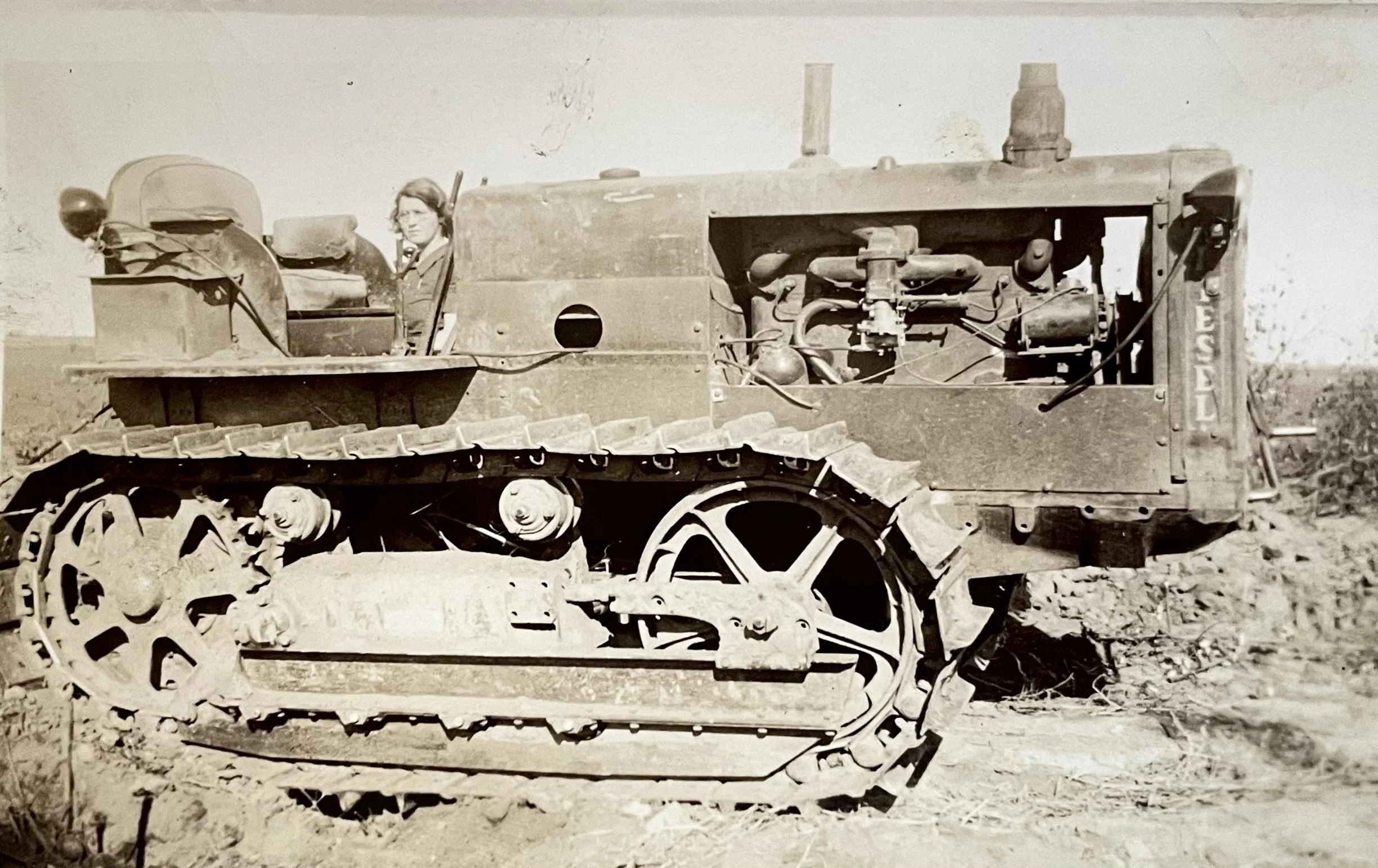
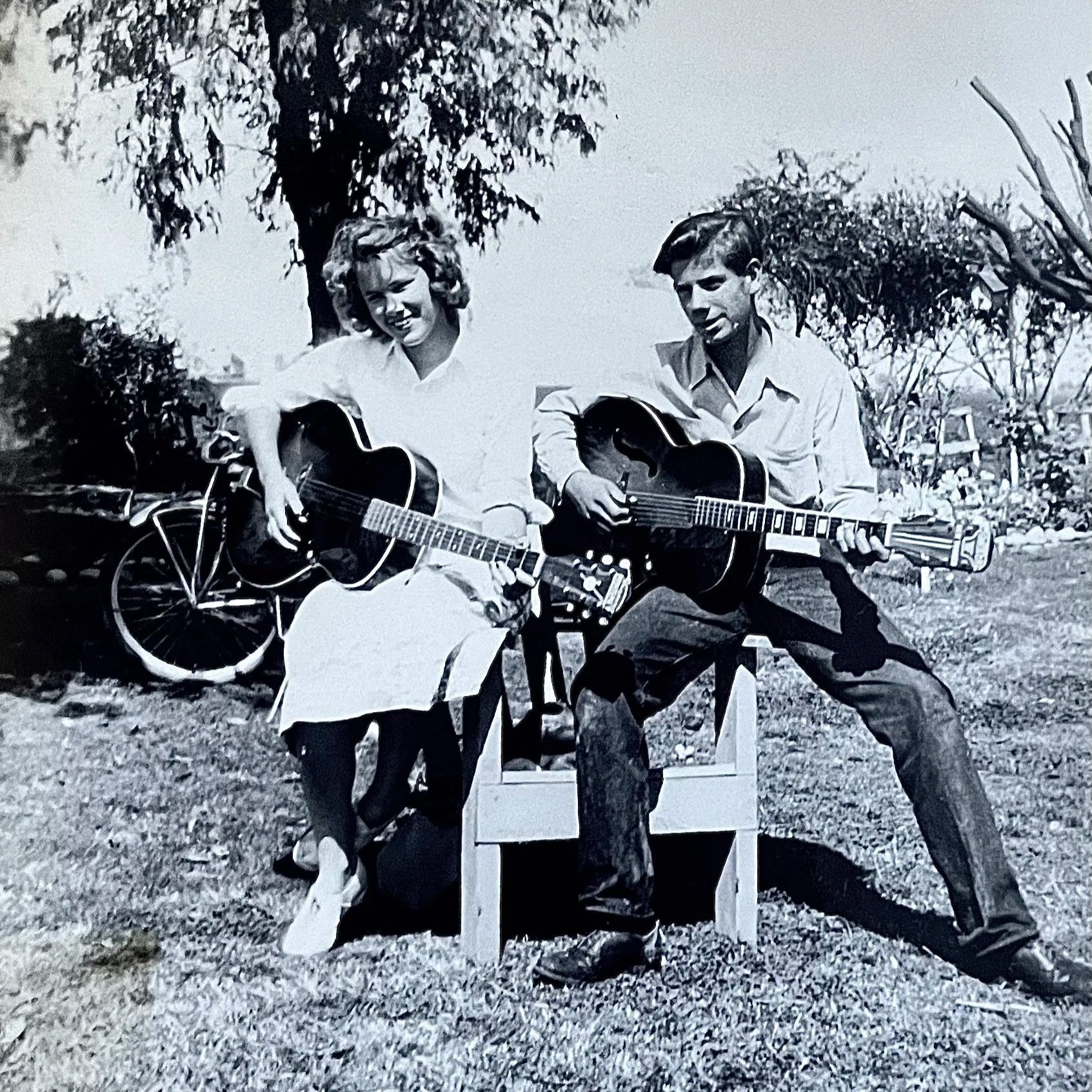
Some of Jillian’s maternal family.
1930s-1940s in Buttonwillow, California and Oklahoma.
“I greatly admire and see the value in handmade items that show human touch: evidence of hand sewing in antique clothing with knots and uneven stitches, the wear and tear of items and clothing that were used and mended, the handheld items that were used and loved by women, such as antique dolls, sewing notions, etc. I also adore natural textiles such as silk, cotton, wool, and linen for their texture, feel, sustainability, and their use throughout human history.
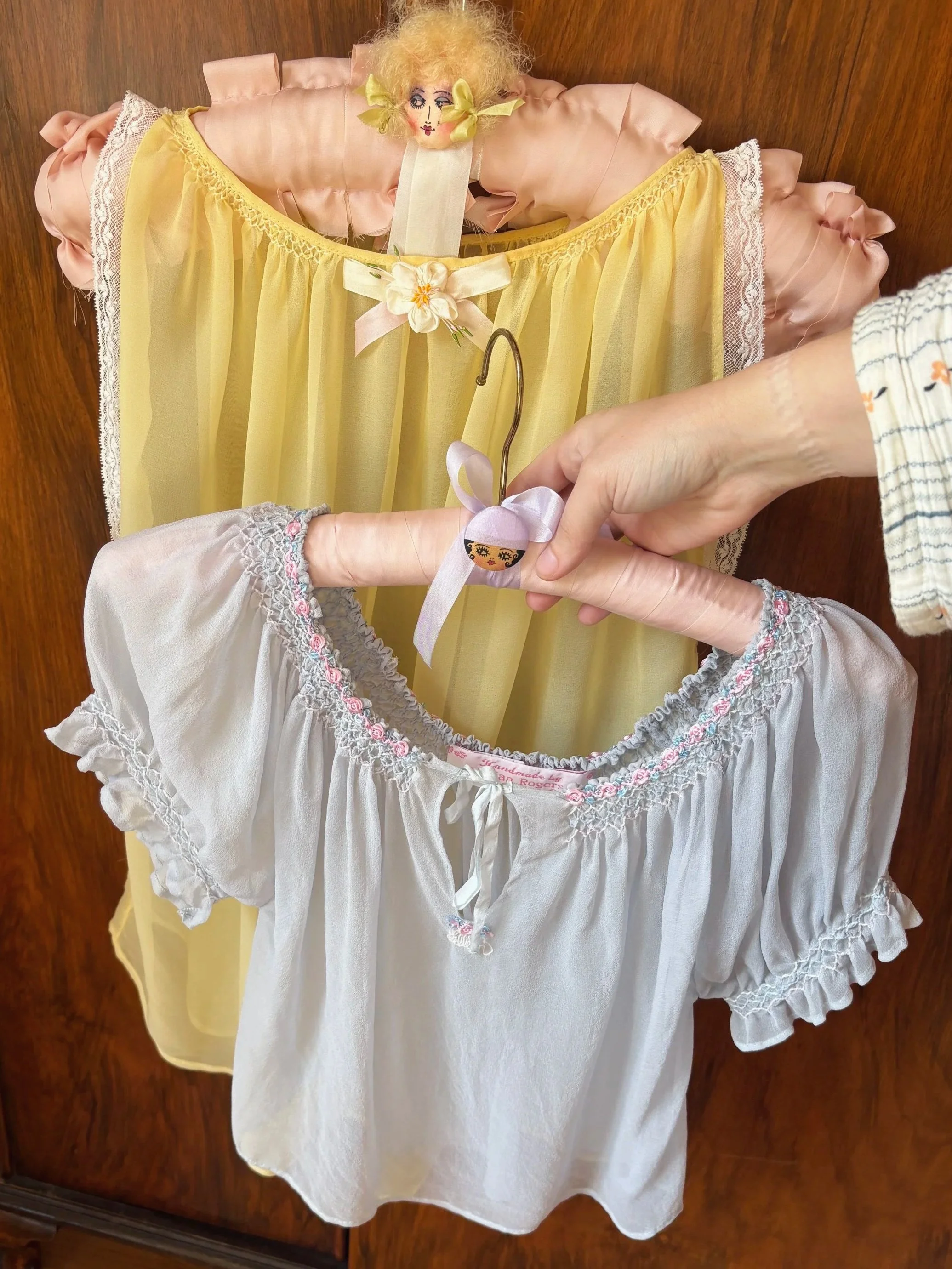
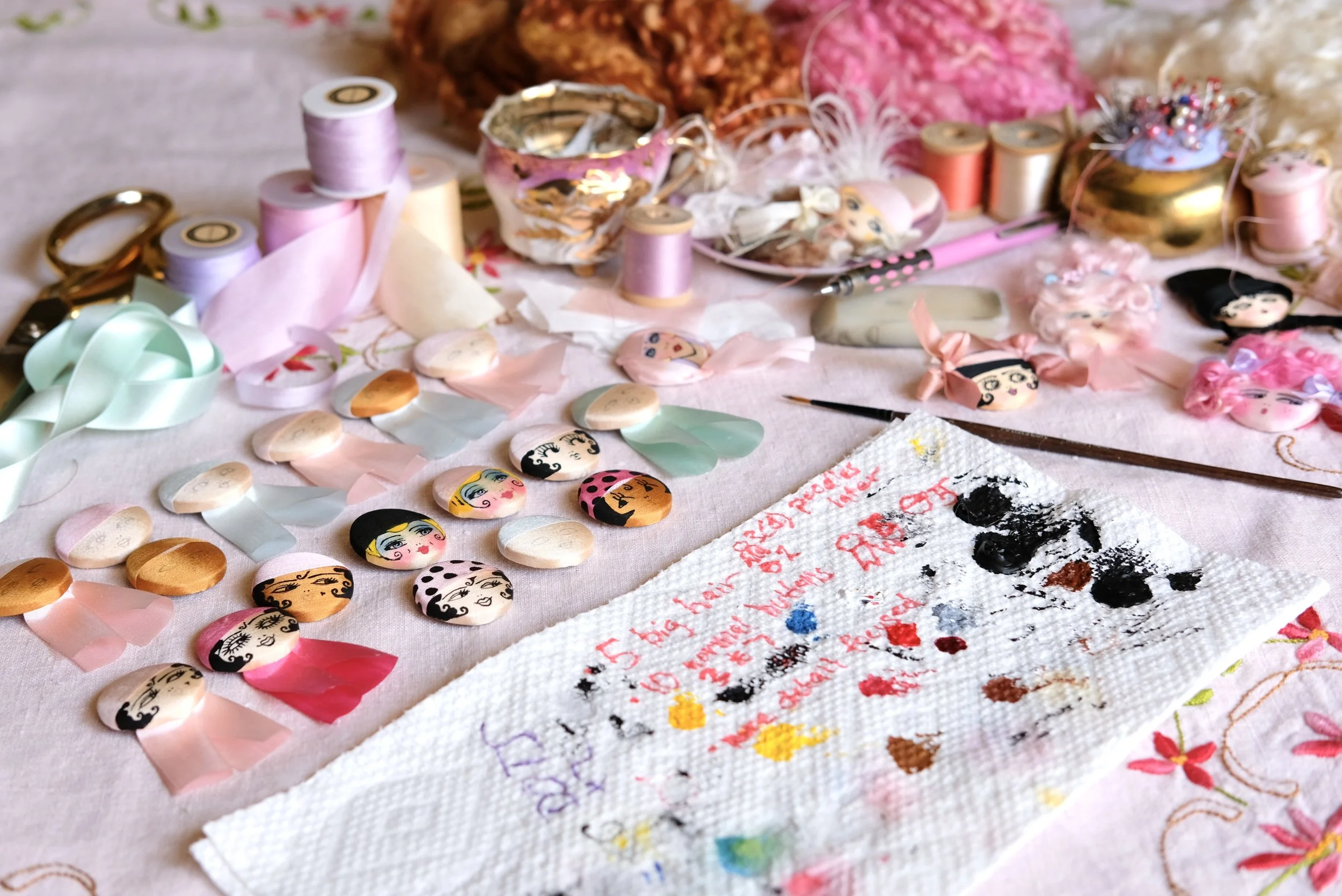
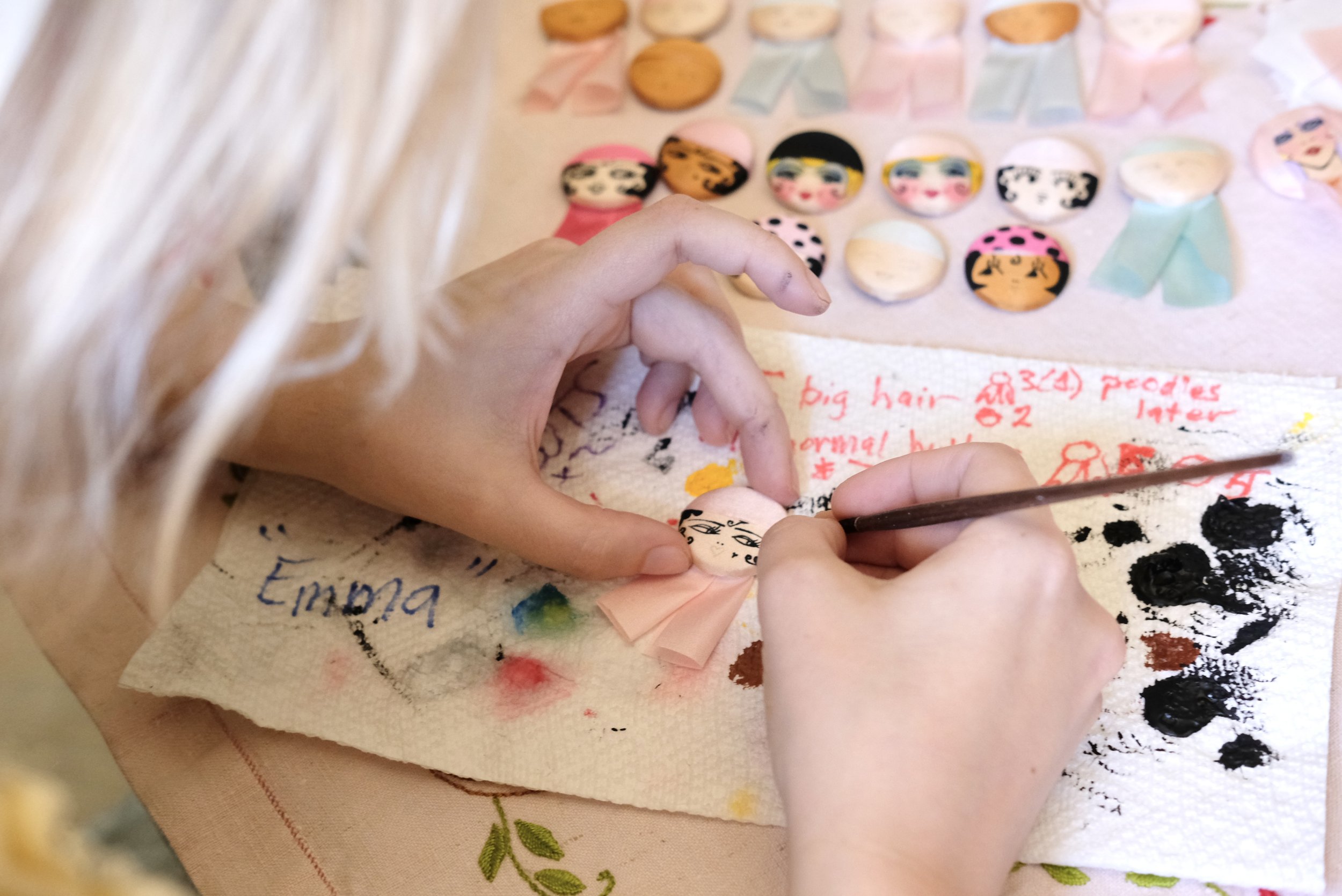
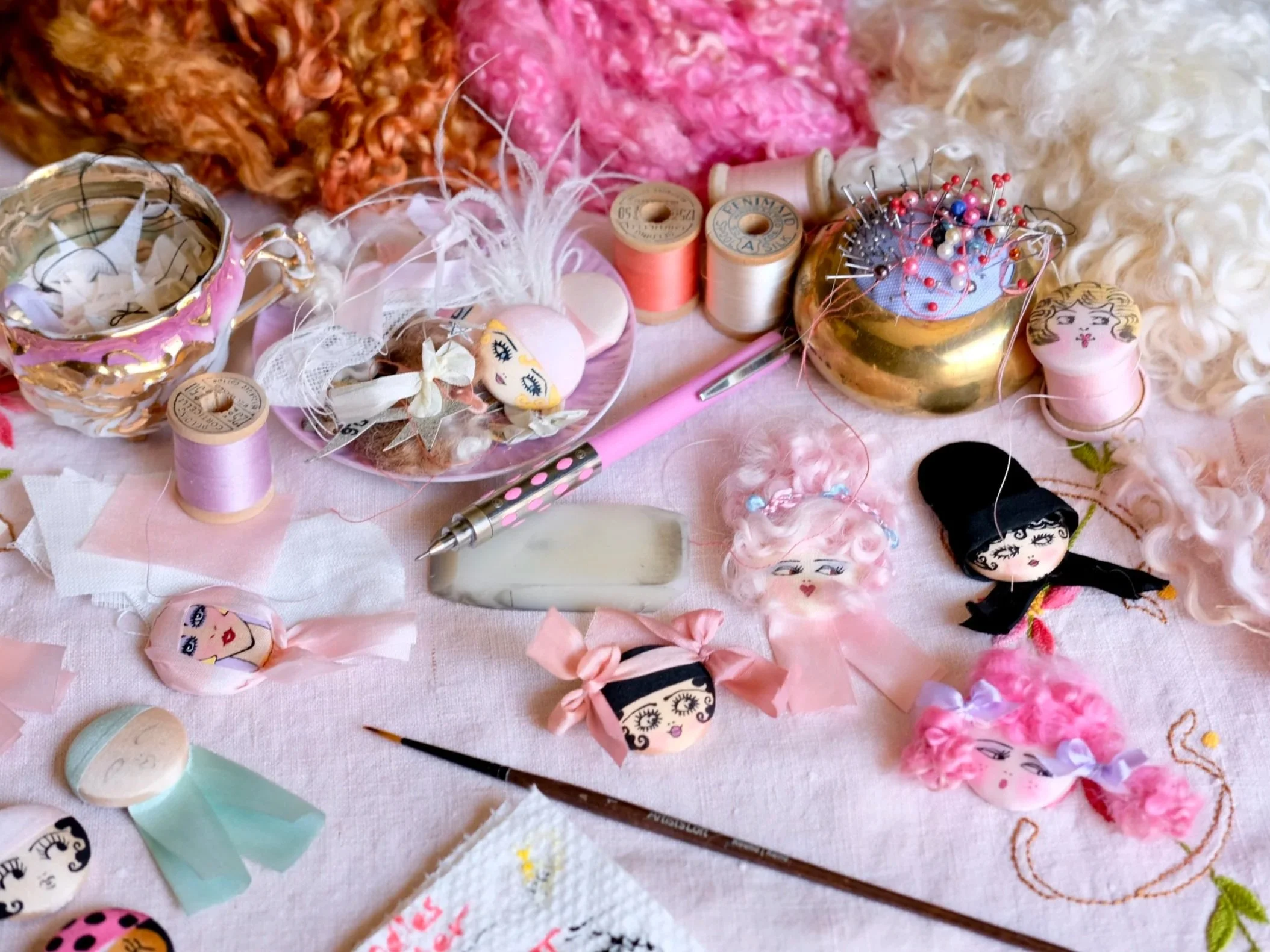
My mission is to continue the legacy of women's handmade items (primarily using natural materials) and to help preserve historical items used and made by women of the past by giving them new homes. I primarily draw inspiration for my creations from the 1920s-1930s and have so far recreated 1930s Hungarian-inspired smocked blouses, flapper buttons, boudoir pillows, flapper powder puffs, silk novelty bralettes, and hope to expand my creations in due time!”
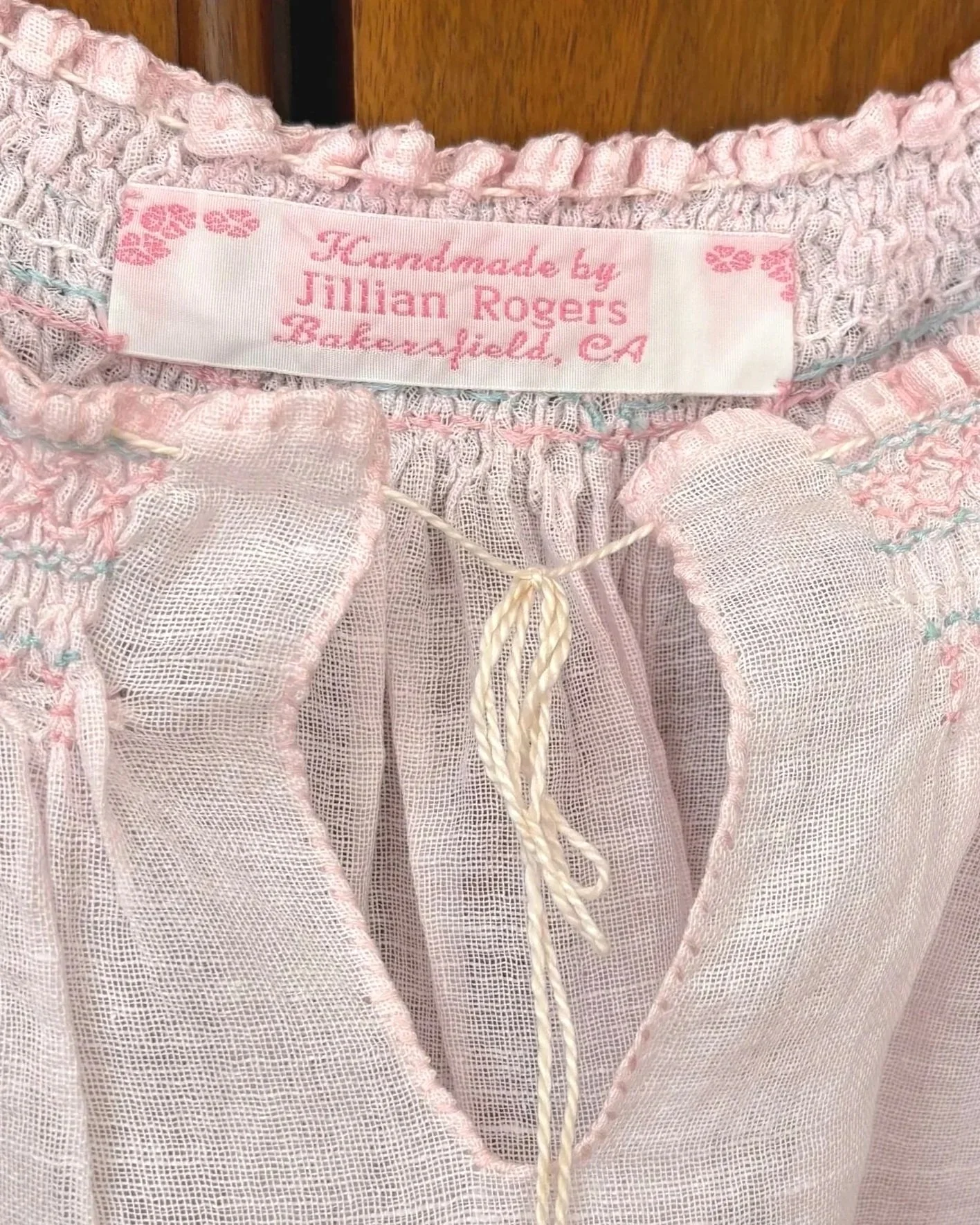
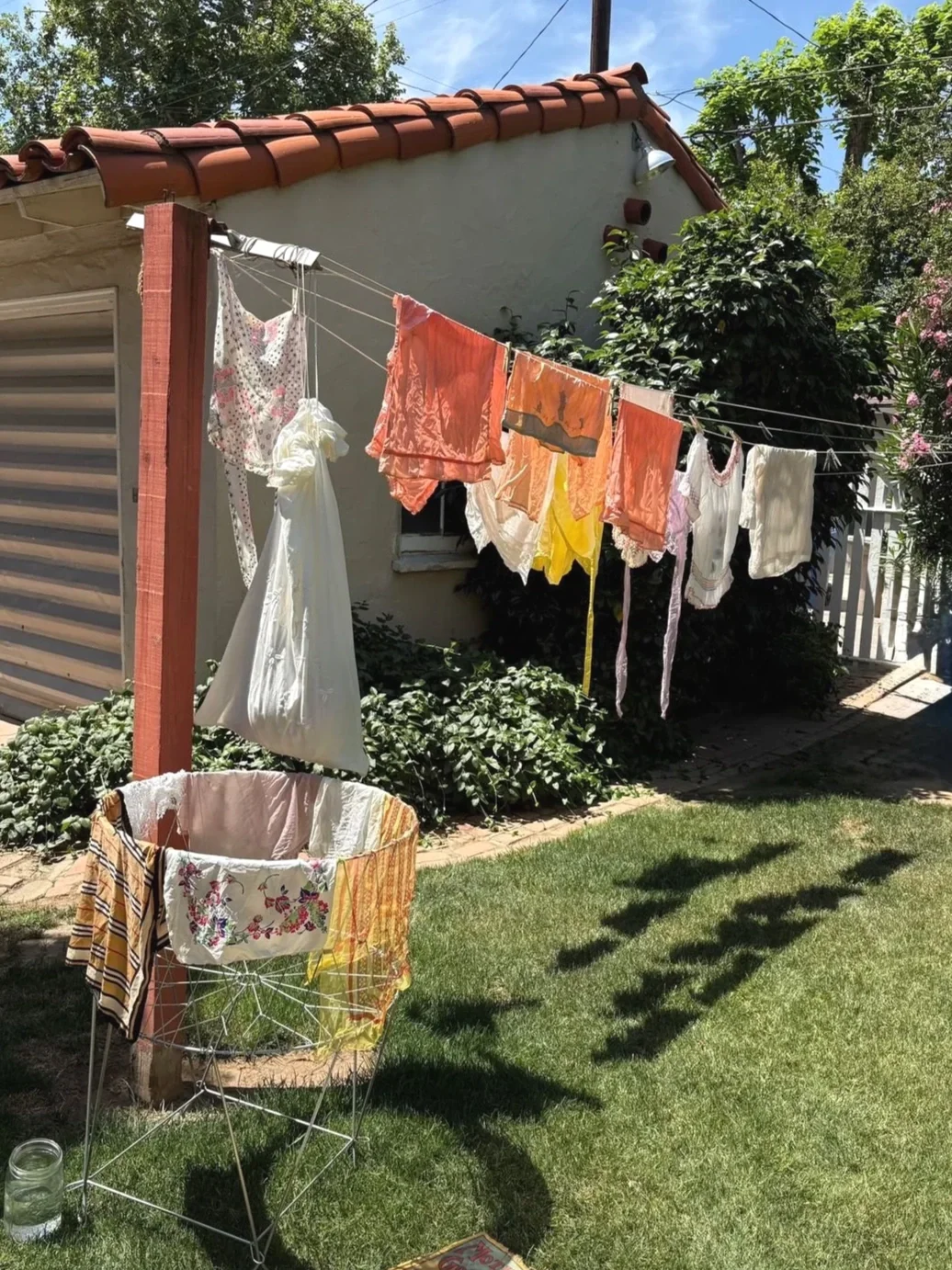
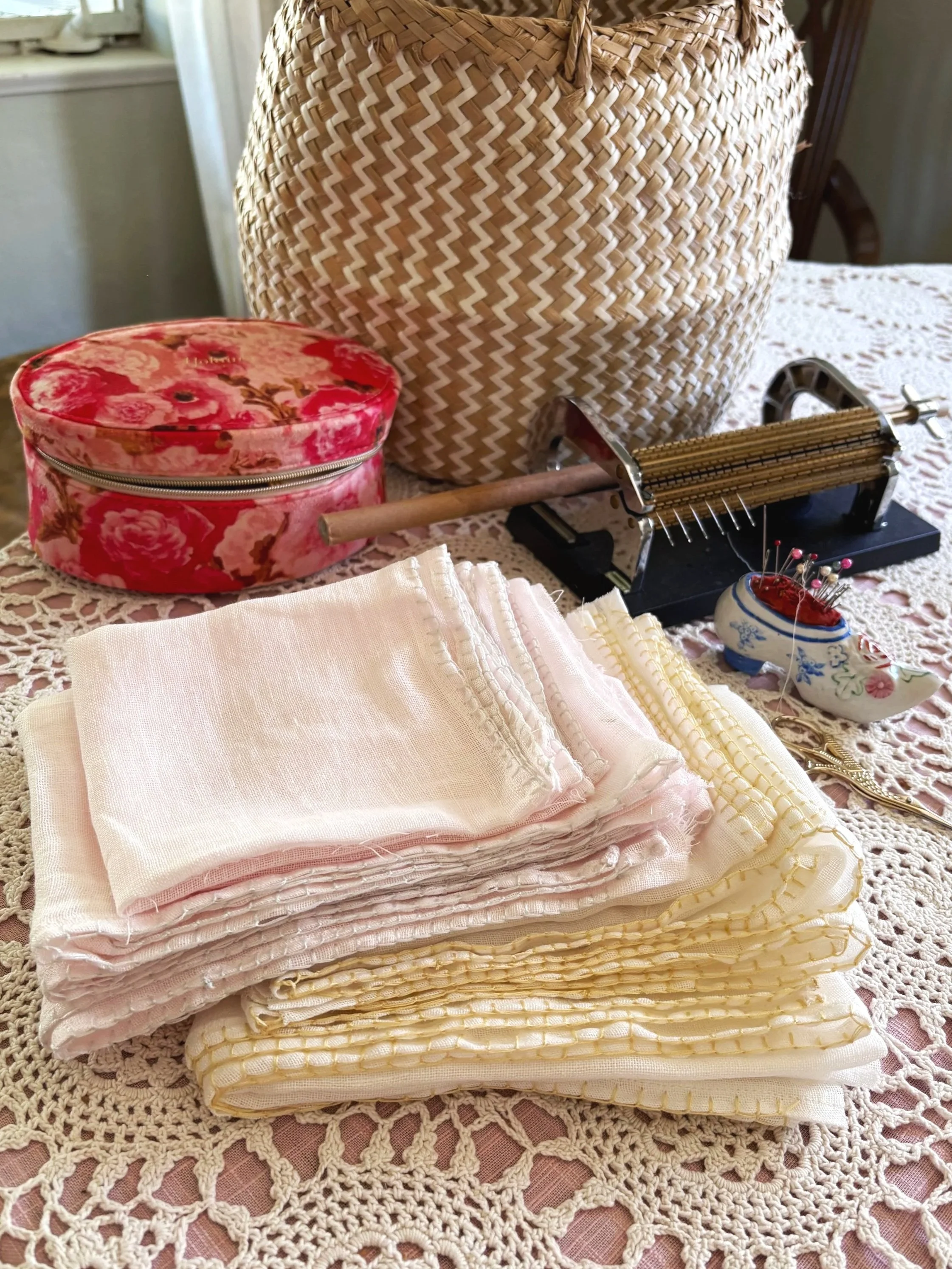
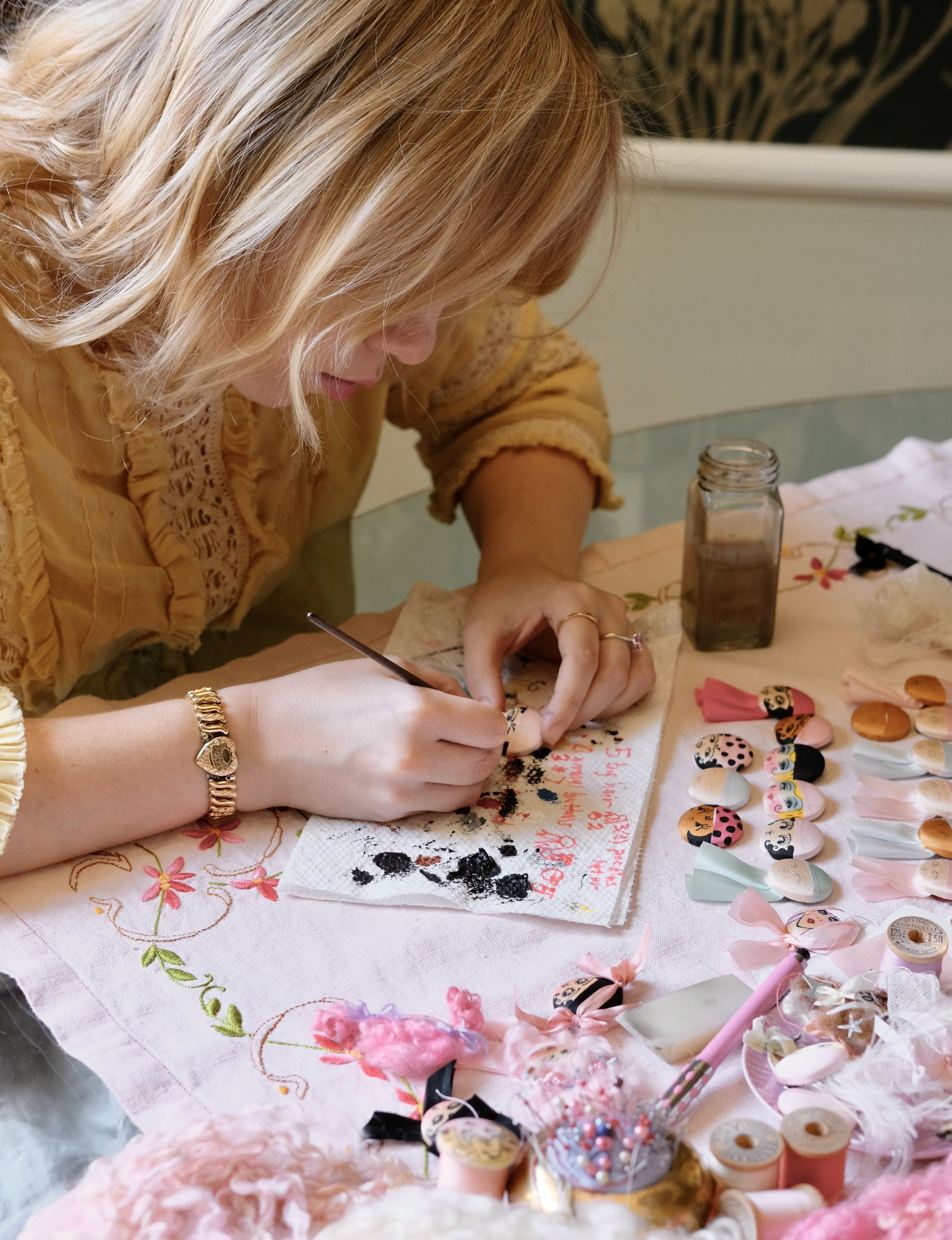
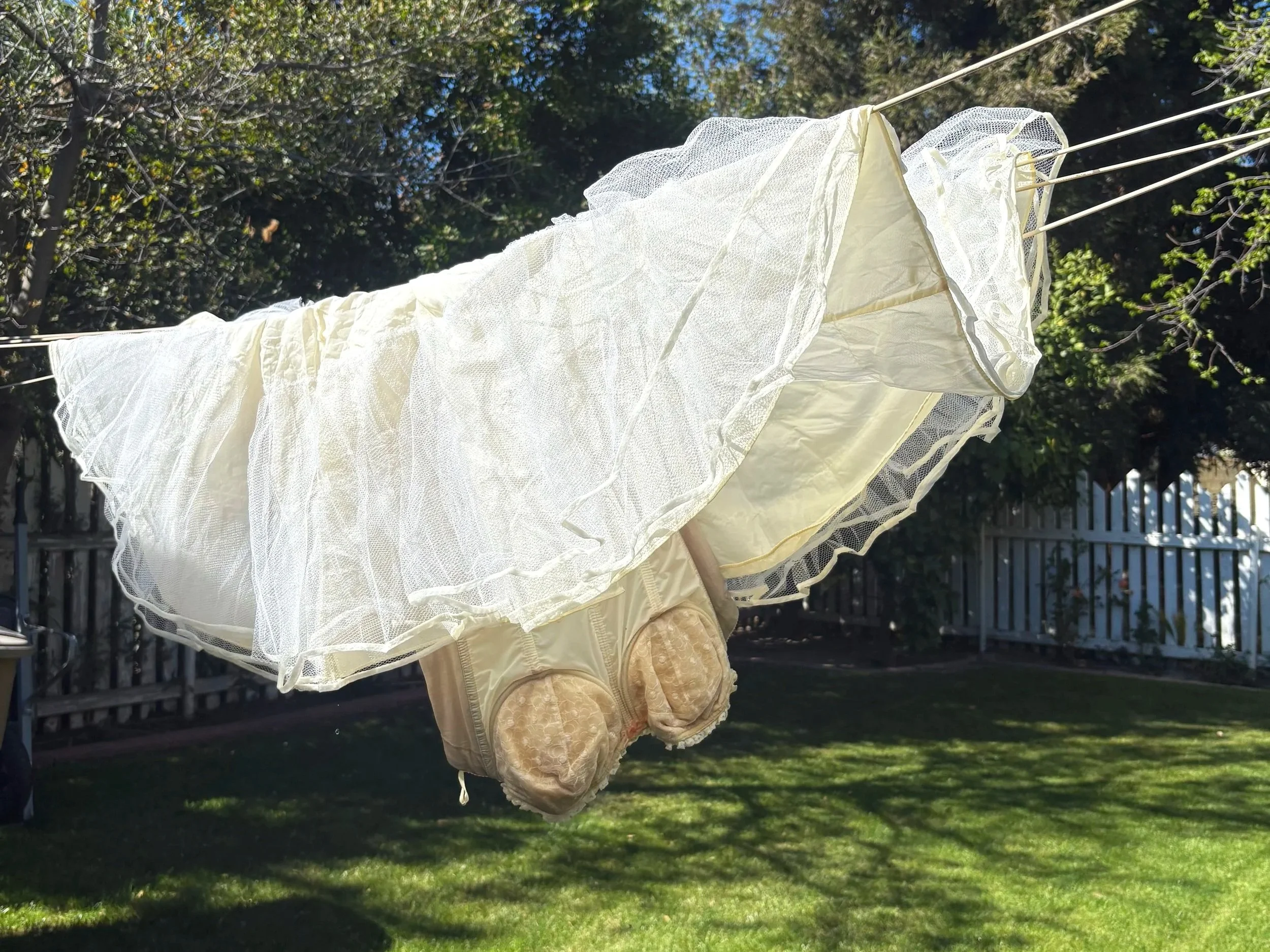
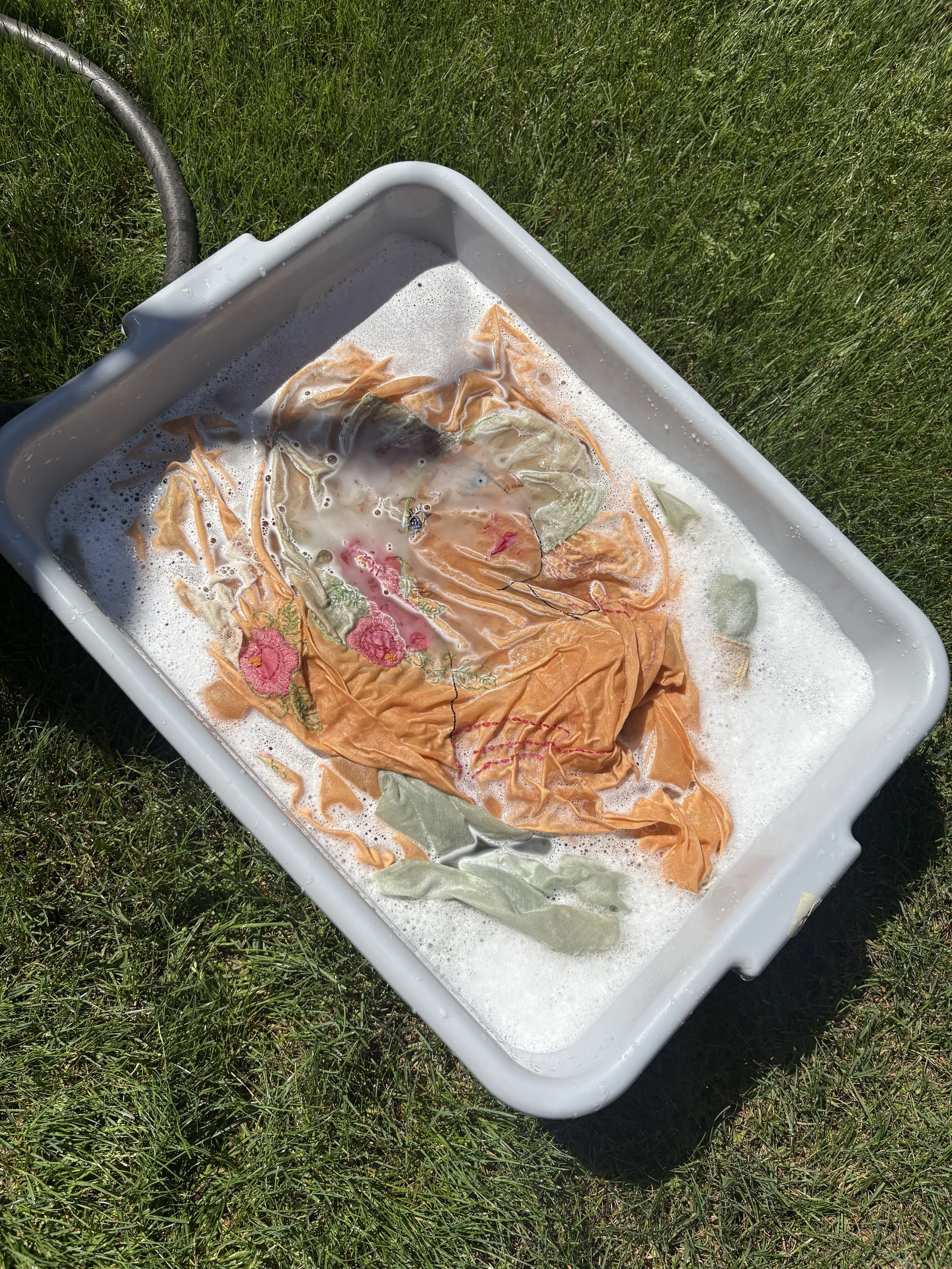
In the Workshop: painting, sewing, mending, and washing